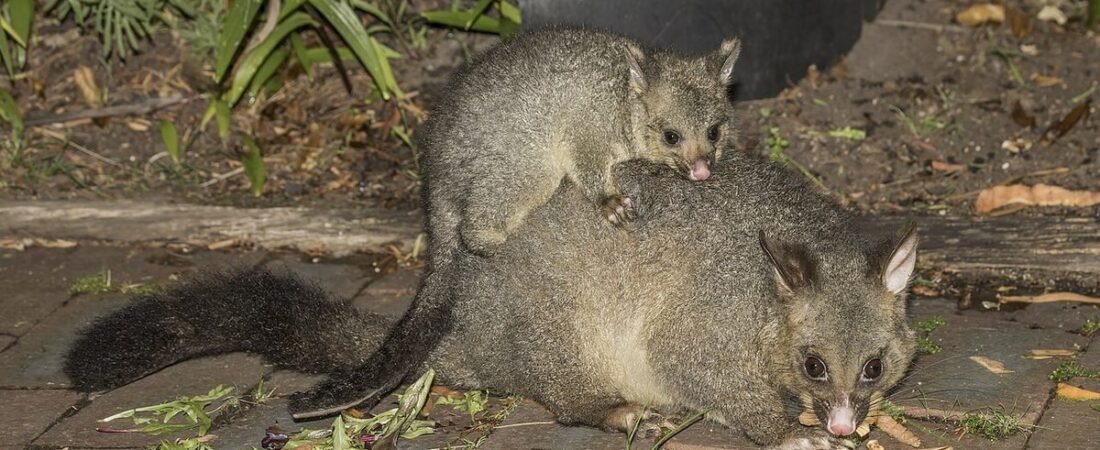
There is no flat rate for possum removal in Melbourne, and any operator quoting one over the phone has not understood the job. The price is driven almost entirely by one thing most homeowners never think about — and it is a legal requirement, not an upsell.
What this guide covers
- The five separate cost components hiding inside a single quoted figure
- Why Victorian law makes roof proofing unavoidable, and what that adds
- The seven variables that move a quote up or down
- Three warning signs that a cheap quote will cost you more later
Why “how much to remove a possum” has no single answer
Removing the animal is the quick part. Any competent operator can trap a brushtail possum in a roof cavity. The expensive part — and the part that determines whether the problem is actually solved — is everything that happens around it.
That is a direct consequence of how Victorian law works. Under the Wildlife Act 1975 (Vic), a trapped brushtail possum must be released on the same property, within 50 metres of where it was caught, after sunset on the day of capture. It cannot be taken away. It cannot be released in a park or a reserve. If release on the property is not reasonably possible, the animal must be humanely euthanised by a registered vet within 24 hours, at the trapper’s expense.
Read that again with a cost lens. You are legally obliged to release the animal beside the roof it just came out of. If the entry points have not been found and sealed first, you have paid for nothing — it will be back inside that night. Proofing is not an optional extra on a possum job. It is the job.
How Melbourne demand actually breaks down
Search demand is a reasonable proxy for how common this problem is across the city. Google’s own keyword data for the twelve months to July 2026 shows a consistent, year-round volume with no meaningful seasonal collapse — possums are a permanent feature of suburban Melbourne, not a summer nuisance.
Average monthly Melbourne searches, possum service terms
Google Ads Keyword Planner, 12 months to July 2026. Competition is rated High on most of these terms, which is why advertised prices vary so widely.
The five components inside a possum removal quote
A single number on an invoice usually bundles five distinct pieces of work. Understanding them is the only way to compare two quotes meaningfully.
| Component | What it involves | Indicative range |
|---|---|---|
| 1. Inspection | Roof cavity entry, species confirmation, mapping every entry point, checking for a dependent joey | $80 – $150, frequently credited against the job |
| 2. Trapping and removal | Trap placement, monitoring, legal same-property release after sunset | $150 – $350 |
| 3. Entry point proofing | Sealing gaps with steel mesh, capping tiles, closing eave and fascia gaps. Priced per point | $300 – $900+ — the largest and most variable item |
| 4. Nest box installation | Optional but recommended. Gives the released animal a legal alternative home on the property | $120 – $250 |
| 5. Cleanup and deodorising | Removing soiled insulation, sanitising, treating urine odour | $150 – $600 depending on contamination |
Every property is different, and no operator can price a roof they have not seen. Use these figures to understand what should appear on a quote and to sanity-check what you are being charged — not as a fixed price list.
Where the money actually goes
Typical cost distribution on a complete possum job
Proofing dominates because it is the only component that determines whether the animal returns.
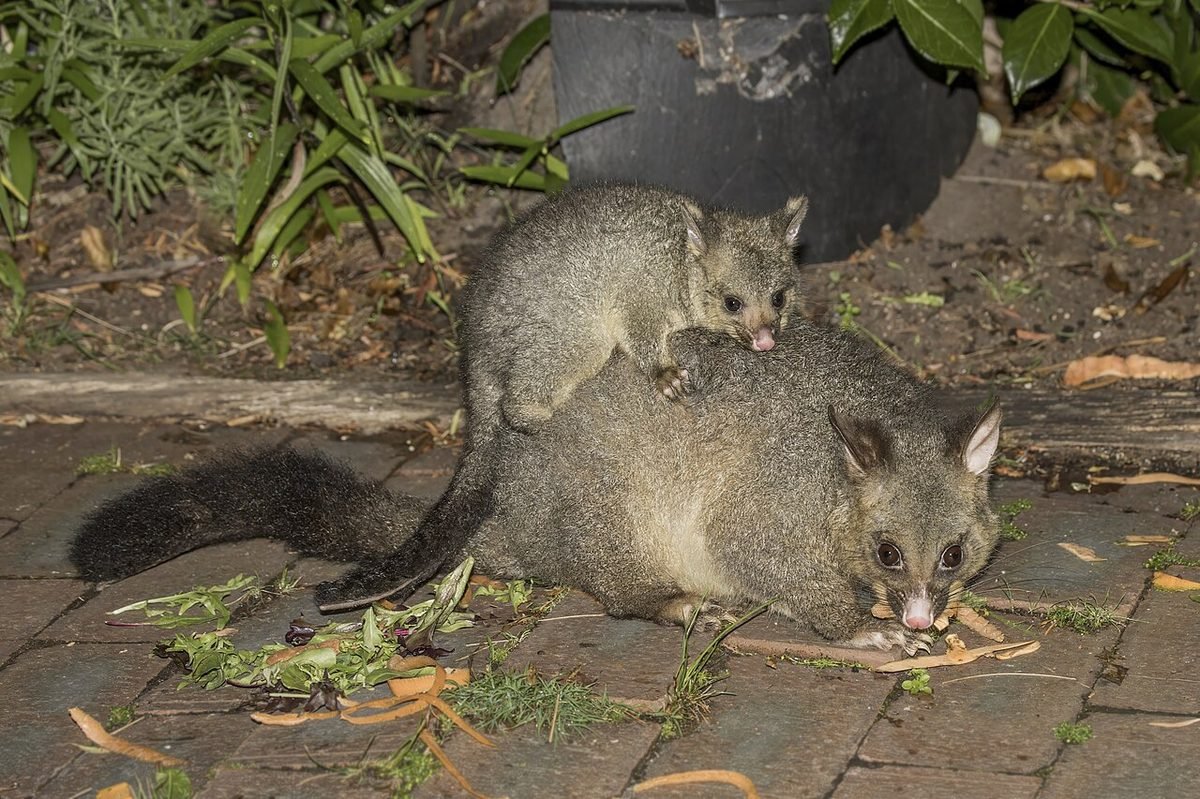
Seven variables that move your quote
1. Number of entry points
The biggest single driver. One lifted tile is a small job. Six separate gaps across eaves, fascia and roof sheeting is not.
2. Roof type and pitch
Tiled roofs generally offer more entry points but are easier to seal. Steep or Colorbond roofs may need different materials and access equipment.
3. Single or double storey
Height drives access cost. Second-storey and difficult rooflines may require scaffolding or a lift, which can add several hundred dollars.
4. Whether a joey is present
A dependent joey means the job must be sequenced carefully over additional visits. Sealing a mother out while young remain inside is both cruel and illegal.
5. Extent of contamination
Urine-saturated insulation often has to be removed and replaced rather than cleaned, which is a materials and disposal cost.
6. Overhanging vegetation
Branches within a metre or two of the gutter are a highway. Some operators include trimming advice; some quote for the work.
7. How long you waited
The one variable entirely within your control. Damage compounds, and every month of delay tends to move the cleanup component upward.
Three warning signs in a cheap quote
This is illegal in Victoria. Any operator offering it is either unaware of the law or willing to break it, and neither is a good sign. Legal release is on your property, within 50 metres, after sunset.
Nobody can price entry-point proofing without inspecting the roof. A firm phone price almost always means proofing has been excluded, which means the possum will return.
Reputable operators back the proofing work for a defined period. If nothing is said about what happens when a possum gets back in, assume the answer is that you pay again.
What a complete job should look like
A properly sequenced possum job runs in a fixed order, and the order matters more than the price. Inspect and map every entry point. Confirm whether young are present. Trap and remove the animal. Seal every entry point while the roof is confirmed empty. Install a nest box so the released possum has somewhere legal to go. Clean and deodorise the cavity. Return to verify.
Skip step four and you have bought a temporary result. Skip step two and you risk sealing dependent young into the roof. Homeowners across Melbourne’s eastern and south-eastern suburbs generally engage a licensed technician for possum removal in Rowville and nearby areas specifically because that sequence has to be followed correctly for the outcome to hold — and because the legal release conditions leave no room for improvisation.
A possum in a roof does not reach a stable equilibrium. Urine progressively saturates insulation, reducing its thermal performance and eventually staining plaster. What begins as a noise complaint becomes an insulation replacement and a ceiling repair. In most cases the cleanup component of the job grows faster than any other.
Frequently asked questions
Is it cheaper to remove the possum myself?
Rarely, once the legal position is factored in. You may only trap a brushtail possum for release on the same property within 50 metres, after sunset the same day, or for vet euthanasia within 24 hours. Ringtail possums cannot be trapped at all without a permit. Without proofing, a legally released possum simply returns — so the saving is usually temporary.
Why is proofing more expensive than the removal itself?
Because it is skilled work at height across the whole roofline, using materials that a possum cannot chew or force. Removal is one animal on one night. Proofing is every potential gap on the building, and it is what stops the problem recurring.
Does home insurance cover possum damage?
Generally not. Most Australian home policies exclude damage caused by vermin, insects or animals, and gradual damage of the kind possums cause is typically excluded as well. Check your product disclosure statement rather than assuming either way.
How long does the whole job take?
Inspection and proofing are often completed within a day or two. Trapping depends on the animal and can take several nights, since traps must be checked and the release must occur after sunset on the day of capture.
What if the possum has already left on its own?
Then you are buying proofing and cleanup only, which reduces the cost considerably. But confirm the cavity is genuinely empty first — sealing a roof with an animal still inside creates a far more expensive dead-animal problem.
Is a nest box actually worth paying for?
It is a sensible investment given the 50-metre release rule. The possum has to be released next to your house by law, so giving it an alternative den on the property reduces the pressure to get back into the roof. It is a small cost relative to repeat proofing.
- Wildlife Act 1975 (Vic) — trapping, 50-metre same-property release and 24-hour euthanasia requirements; penalty provisions.
- Google Ads Keyword Planner, Melbourne, 12 months to July 2026 — average monthly search volumes and competition ratings.
- Cost figures are indicative market ranges compiled for guidance and do not constitute a quote.