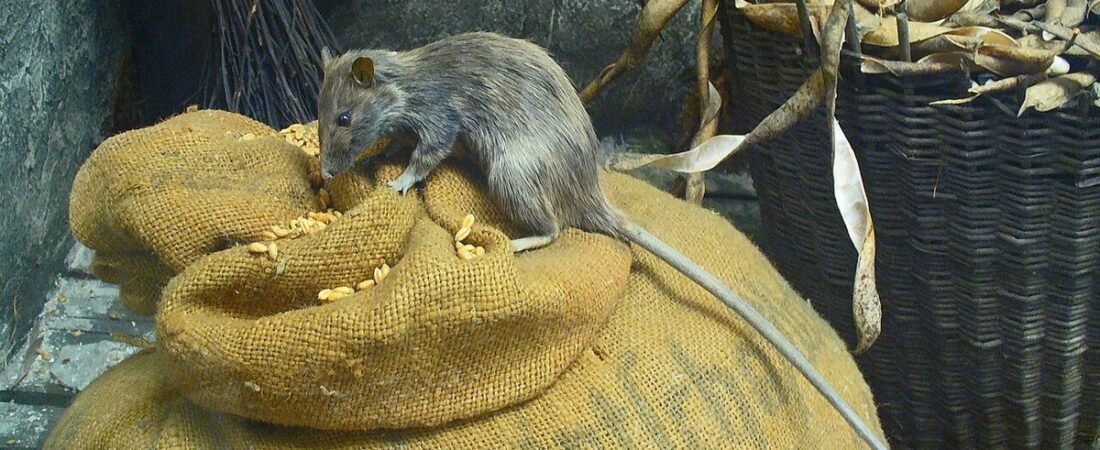
The smell has arrived, you know something has died above the ceiling, and the obvious next thought is to start cutting. Don’t. There is a sequence of non-destructive checks that will locate a carcass to within about half a metre — and the most reliable one involves watching where the flies gather.
The short answer
- Follow the blowflies. They congregate at the closest opening to the carcass — a downlight, a cornice gap, a vent.
- Map the odour on a grid rather than wandering. Intensity peaks directly below the source.
- Search the edges first. Rodents usually die on their runways — along wall plates and against the perimeter, not in open centre spans.
- Cutting the ceiling is the last resort, and only after the first three steps have narrowed the position.
What you are actually smelling
The odour is produced by cadaverine and putrescine, two compounds released as soft tissue breaks down, alongside hydrogen sulphide and various sulphur-bearing gases. They are detectable by humans at extremely low concentrations, which is why a 150-gram rat can make an entire house uninhabitable.
Timing is governed almost entirely by temperature and body mass. In a Melbourne roof cavity in February, where temperatures can exceed 50°C under the tiles, decomposition is rapid and the odour is intense but comparatively short-lived. The same animal dying in July decomposes slowly, and the smell drags on for far longer at a lower intensity.
Odour intensity over time: rat versus possum
Body mass is the dominant variable. A brushtail possum is roughly twenty times heavier than a black rat, and the curve is correspondingly longer and higher.
Method one: read the blowflies
This is the single most effective locating technique available to a homeowner, and it costs nothing.
Blowflies detect a carcass within hours and lay eggs on it. The adults that subsequently emerge, and the ones still arriving, will concentrate around the nearest gap between the roof cavity and your living space — most often a downlight fitting, an exhaust fan housing, a cornice junction or a ceiling vent. Flies appearing repeatedly at one downlight and nowhere else is a strong positional signal.
Close the internal doors of the affected rooms and leave the lights off during the day. Check each room after an hour. Flies orient toward light, so they will gather at the brightest opening near the source. The room that keeps producing flies contains the carcass above it.
Method two: grid the ceiling
Odour mapping works, but only if done systematically. Wandering around a room sniffing produces nothing useful, because your olfactory system adapts within a couple of minutes of continuous exposure.
Ventilate first, then leave
Air the house out thoroughly, then close it up and stay out for two to three hours. This resets your sense of smell and lets the odour re-concentrate.
Work a grid, roughly a metre apart
Move through the affected rooms in a deliberate pattern. Pause at each point and note intensity from one to five. Write it down — do not try to remember it.
Sample at ceiling height
Use a step ladder and sample near the cornice and around each downlight. The gas is entering from above, so it is always strongest at ceiling level.
Step outside every few minutes
Two minutes of fresh air resets your sensitivity. Without this the readings flatten and the map becomes useless.
Method three: search the roof cavity properly
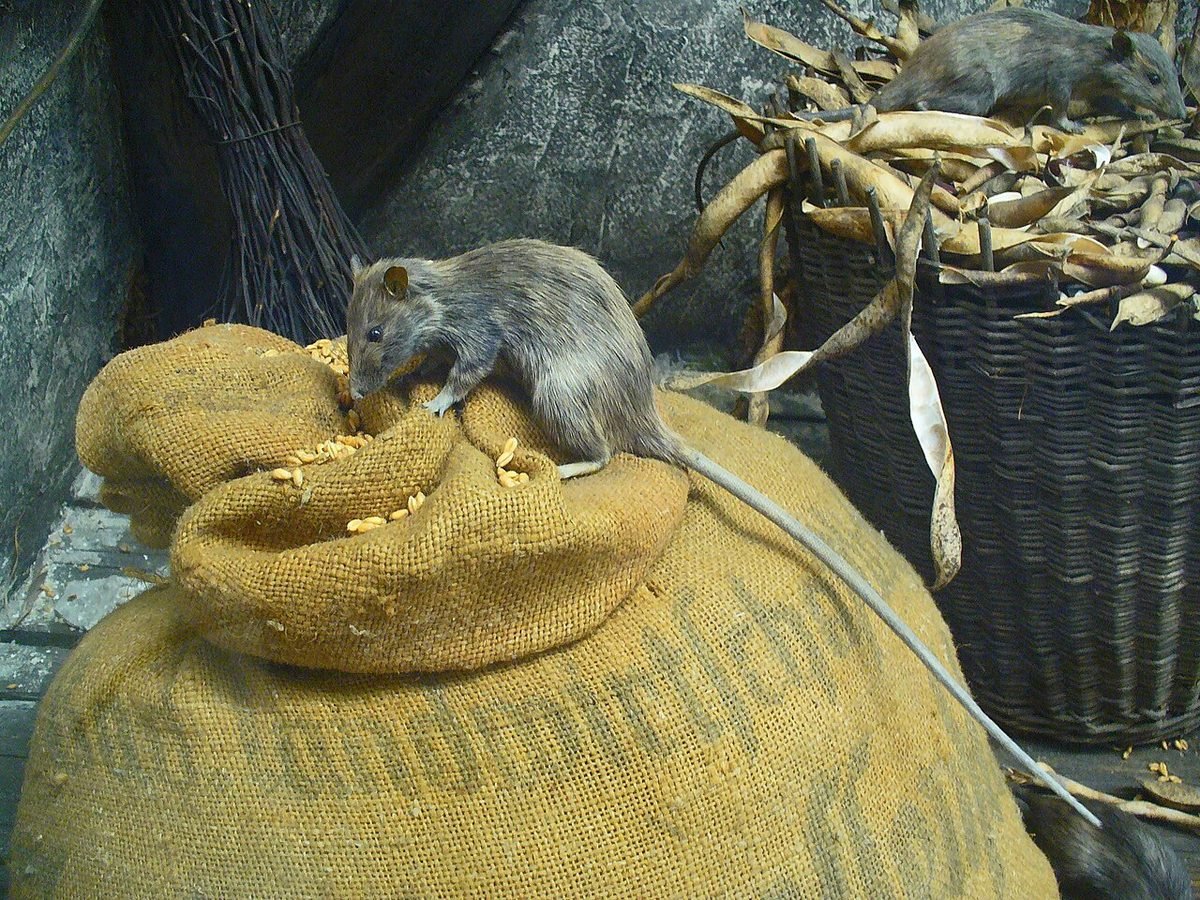
If you can safely access the roof space, a visual search will usually settle it. But search in the right order, because rodents do not die in random places.
| Search priority | Location | Why here |
|---|---|---|
| First | Along wall plates and the cavity perimeter | Rodents travel with one side against a surface. Most established runways follow the edges |
| Second | Around and beneath insulation batts near the eaves | Preferred nesting zone; poisoned rodents commonly return to the nest to die |
| Third | Near water pipes, hot water units and air conditioning ducting | Anticoagulant poisoning causes intense thirst, so carcasses cluster near moisture |
| Fourth | Junctions where cavities meet, and around chimney or vent penetrations | Natural travel bottlenecks between roof sections |
| Last | Open centre spans of the ceiling | Least likely. Rodents avoid crossing exposed areas |
Step only on joists or a crawl board — plasterboard will not hold your weight and falling through a ceiling is a common and serious injury. Wear a P2 mask, disposable gloves and eye protection. Assume old insulation may be hazardous. Cavity temperatures above 45°C in summer cause heat stress quickly, so work early in the morning. If access is tight, unlit, or you are not confident, stop.
Signs that narrow the position further
A stain appearing on the ceiling
In advanced decay, fluid can seep through plasterboard and produce a yellow-brown patch. Unpleasant, but it identifies the location precisely.
Sudden silence after weeks of noise
If scratching stopped two or three days before the smell began, the animal died where it was last active. Think about where you were hearing it.
Recent baiting
If you laid rodenticide within the last fortnight, search near water sources first. Anticoagulants cause severe thirst before death.
Odour strongest in a wall, not a ceiling
Then it is in a stud cavity, not the roof. That usually means a mouse, and it is a different and more difficult access problem.
When cutting the ceiling is genuinely the only option
Sometimes the carcass is in a sealed or inaccessible cavity — a flat roof, a skillion, a cathedral ceiling, or a two-storey intermediate floor with no crawl space. In those cases access has to be created.
If it comes to that, the cut should be made only after the position has been narrowed by the previous three methods, and it should be made where it can be repaired invisibly: inside a wardrobe, behind a cornice line, or through an existing downlight aperture, which can often be enlarged temporarily and then reinstated. Cutting a random hole in the middle of a living room ceiling on a guess is how a $300 problem becomes a $1,500 one.
This is the point at which most people stop. Locating a carcass in a sealed cavity, removing it safely, and treating the residual odour and the fly breeding site is specialist work, and homeowners across Melbourne’s east routinely bring in a technician for dead animal removal in Glen Waverley and the surrounding suburbs rather than open up a ceiling on a guess.
Why the smell can persist after removal
Removing the body is only part of the job. Decomposition fluid soaks into insulation, timber and plasterboard, and those materials continue to release odour afterwards. Fly larvae and pupae remain in the surrounding material and will keep hatching.
Proper remediation means removing contaminated insulation rather than leaving it, treating the affected substrate with an enzyme-based product that breaks down residue rather than masking it, and dealing with the fly breeding site. Air fresheners and ozone treatments applied over an untreated residue do nothing durable.
Frequently asked questions
How long until the smell goes away on its own?
For a rat in warm weather, typically two to three weeks. For a possum, four to eight weeks and sometimes longer in cool conditions. Waiting it out also leaves contaminated material in the cavity and an active fly breeding site, so the odour often lingers well past the point the carcass has dried.
Why are there suddenly so many flies indoors?
Blowflies lay eggs on the carcass within hours of death. Larvae mature over several days and the emerging adults move toward light, which means into your rooms through downlights and cornice gaps. A sudden fly population indoors with no obvious food source is a strong indicator of a carcass above the ceiling.
Is the smell actually harmful?
The odour compounds themselves are unpleasant rather than acutely dangerous at household concentrations. The real risks are contact-based — rodents can carry salmonella and leptospirosis, and dried droppings and nesting material should not be disturbed without a P2 mask and gloves.
Will an ozone generator or air freshener fix it?
Not while the source is still present, and not durably afterwards if contaminated material remains. Masking agents cover the odour temporarily. The carcass and the saturated material have to be removed for the smell to actually stop.
Can I just leave it and seal the roof?
Sealing the cavity traps the odour but does not eliminate it, and it leaves decomposition fluid soaking into insulation and framing. It also leaves the fly breeding site intact. The carcass needs to come out.
What if I cannot find it at all?
That usually means it is in a sealed cavity — a wall stud space, a flat roof section, or between floors. These are the cases where professional equipment and experience genuinely matter, because the alternative is exploratory cutting.
- Decomposition chemistry — cadaverine, putrescine and sulphur compounds released during soft tissue breakdown.
- Blowfly (Calliphoridae) colonisation timing and life cycle stages.
- Anticoagulant rodenticide mode of action and associated behavioural effects prior to death.
- Timelines given are indicative and vary substantially with ambient temperature, humidity and body mass.